BySonu
10.10.7 Private Network Configuration Guide
This guide examines a dedicated non-routable address space for secure internal communications within the 10.10.7 network. It covers scalable addressing, clear subnetting, and fault isolation to support growth and predictable traffic. Core gear setup, topology-aware hardening, and policy-driven traffic control are outlined for resilient interconnectivity. Secure remote access with authenticated endpoints and least-privilege access is emphasized. The framework roots out governance concerns while preserving availability, inviting further examination of implementation details and risks.
What Is the 10.10.7 Private Network and Why It Matters
The 10.10.7 private network refers to a dedicated, non-routable address space used for internal communication within an organization or a controlled testing environment. It provides isolated connectivity, reduces exposure of sensitive systems, and supports rapid experimentation.
The discussion emphasizes privacy focus and policy implications, clarifying data handling, access controls, and governance while maintaining operational flexibility for development and security testing.
Plan Your Addressing and Subnet Strategy for 10.10.7
To establish an effective 10.10.7 private network, define a scalable addressing scheme and a clear subnet plan that aligns with security, segmentation, and operational needs. The addressing strategy should support growth, while subnet planning ensures predictable traffic flow and fault isolation. Prioritize remote access security and private service availability without exposing core infrastructure to unnecessary risk.
Set Up Core Network Gear: Routers, Firewalls, and Access
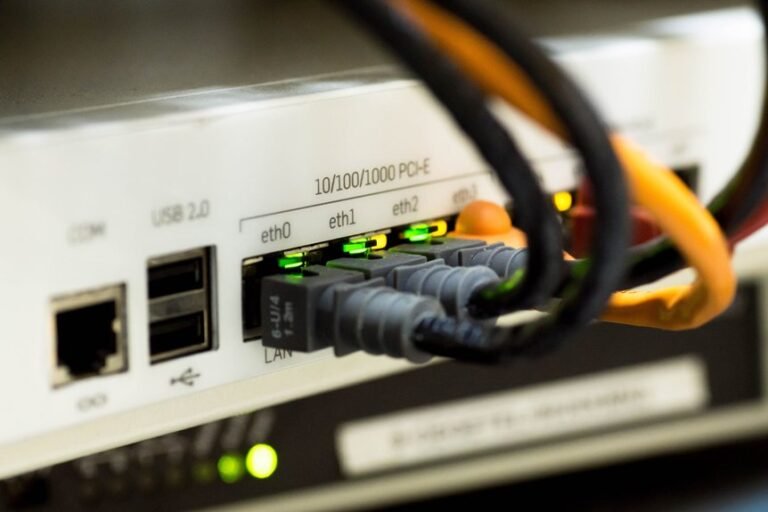
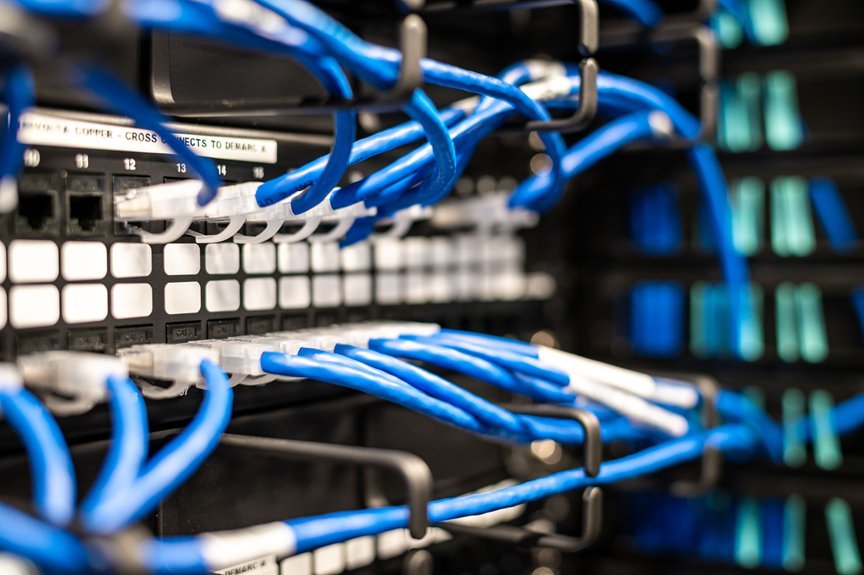
Setting up core network gear entails selecting and configuring routers, firewalls, and access devices to establish a secure, scalable backbone for the 10.10.7 network; this includes aligning device roles with defined segments, enforcing policy-driven traffic control, and ensuring resilient interconnectivity between core, distribution, and edge layers.
The approach emphasizes network topology awareness and device hardening for robust, freedom-oriented operations.
Secure Remote Access and Private Service Availability
Secure remote access and private service availability are addressed by extending the hardened core network into controlled, authenticated endpoints. The architecture enforces strict user authentication and continuous data integrity checks, ensuring trusted connections. Redundant access paths provide data redundancy and failover resilience. Access policies specify least privilege, segmented trust zones, and auditable sessions, sustaining availability without compromising security or autonomy.
Frequently Asked Questions
How Does 10.10.7 Scale for Growing Remote Sites?
10.10.7 scaling accommodates remote growth through modular architecture and automated provisioning, ensuring node resilience and logging retention. Private reclamation optimizes resource use, while an auditable cadence maintains compliance; these factors sustain scalable remote growth and robust operations.
What Are Best Practices for IP Address Reclamation?
A single /24 reclaims roughly 256 usable addresses, illustrating material savings. Best practices for ip reclamation emphasize inventory accuracy, documented expiration, orderly reallocation, compliance audits, automated reclaim workflows, and periodic review to sustain scalable private networks. detached, precise governance.
How Is Node Resilience Tested in This Network?
Node resilience is verified through structured test methodologies, including fault injection, failover timing, and recovery validation; test methodologies emphasize deterministic results, repeatability, and controlled conditions to assess network continuity, recovery latency, and state synchronization under simulated disruptions.
How Often Should Private Service Audits Be Performed?
An average private service audit cadence is quarterly, highlighting a 20% vulnerability reduction in six months. The practice emphasizes audit cadence and vulnerability tracking, ensuring timely remediation, documentation rigor, and transparent governance while preserving operational autonomy and security integrity.
What Logging Retention Is Recommended for Compliance?
Logging retention for compliance guidance recommends retaining core logs for 12–36 months, balancing remote site scaling and IP reclamation needs while supporting node resilience testing and private service audits within a secure, auditable framework.
Conclusion
The 10.10.7 private network offers a scalable, non-routable space for secure internal testing and rapid experimentation, with clear subnetting that isolates faults and preserves performance. Strategic address planning and robust core gear configurations ensure predictable traffic flow and resilient interconnections. Remote access remains authenticated, least-privilege, and auditable, safeguarding governance. In practice, this framework acts like a precise clockwork mechanism—each component aligned to prevent drift, delivering dependable availability and secure service delivery across trust zones.