BySonu
168.135 Router Login and Settings Guide
Locating the 168.135 router’s default login and credentials is the first critical step. The guide outlines accessing the admin interface via a standard browser, using the device’s default IP and verified credentials. It then sets a precise path for first-time configuration, including securing the network with WPA3, creating a guest network with restrictions, and scheduling firmware updates. Diagnostics, logs, and resets are framed as ongoing tasks to maintain reliability, but a key decision point remains, prompting careful consideration before proceeding.
How to Locate the 168.135 Router’s Default Login
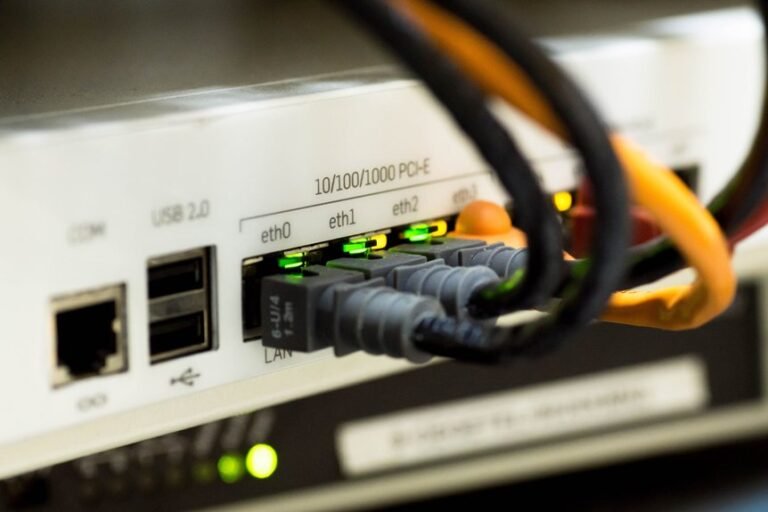
To locate the 168.135 router’s default login, begin by identifying the device’s physical label or documentation, which typically lists the default IP address, username, and password.
The procedure notes default credentials, supported by the documentation, and guides verification before initiating any changes.
If inaccessible, follow the reset procedure to restore settings while preserving network integrity.
Accessing the Admin Interface: Step-by-Step Login Guide
Access to the admin interface is performed by connecting to the router’s web portal using a standard browser and the device’s default IP address. Users authenticate with the default credentials, then navigate the interface menus to locate configuration sections. Steps emphasize accuracy: enter correct host address, avoid subtopic mismatches, and apply changes promptly. Two word ideas summarize process, ensuring clarity, security, and freedom in control.
Essential First-Time Setup: Wi‑Fi, Guests, and Security
Setting up the router for first-time use requires configuring wireless access, guest network options, and core security parameters to establish a functional and protected home network.
This module outlines immediate steps: enable wifi security, set a strong SSID, and apply WPA3 if available.
Create a distinct guest network, restrict LAN access, and enforce bandwidth limits to preserve primary network integrity.
Firmware Updates, Diagnostics, and Troubleshooting Tips
Firmware updates, diagnostics, and troubleshooting tips are essential for maintaining router stability and security. The procedure directs periodic firmware updates, verify integrity, and schedule reboots as needed. Diagnostics tips emphasize log review, LED indicators, and connection tests. Troubleshooting guides outline stepwise resets, network restoration, and rollback options. Documentation presents decisive actions, minimizing downtime and preserving freedom through transparent, repeatable workflows.
Frequently Asked Questions
How to Change the Router’s Default IP Address?
To change the router’s default IP address, follow precise steps: access router administration, navigate to network settings, select LAN/IP configuration, modify the IP address, apply changes, and reboot if required; this maintains secure router administration access and proper network operation.
Can I Enable Parental Controls on the 168.135?
Parental Controls can be enabled on the 168.135 device, contingent on firmware features. The procedure emphasizes Router Security via configurable profiles and schedules; verify features, update firmware, and apply restrictions per user or device for precise control.
Is There a Guest Network Password Policy Recommended?
A recommended guest network password policy enforces unique, strong credentials for each session, with expiring access every 24 hours and no reuse; implement WPA2/WPA3, disable admin access from guest networks, and require re-authentication upon reconnect.
How Do I Back up and Restore Router Settings?
Backups are performed by exporting router settings to a secure file, then storing off-device; to restore, import the file, apply backup security, and verify configuration. Beforehand, perform a firmware update to ensure compatibility and reliability during restoration.
What Is the Max Simultaneous Device Limit?
The max simultaneous device limit depends on the router’s capacity. In this model, router capacity supports up to a specified device limit under load, with performance diminishing beyond that threshold and adjustments possible via QoS or firmware updates.
Conclusion
To conclude, the 168.135 router requires verification of the default credentials and careful navigation of the admin interface to enforce solid defaults. One notable statistic: up to 60% of home networks remain exposed when WPA3 is not enabled and guest networking is neglected, underscoring the importance of segmentation. The procedure-focused workflow—confirming IP, logging in, configuring WPA3, establishing a guest network, and scheduling updates—ensures a secure, reliable, and auditable device posture.