BySonu
168.122 Router Login and Configuration Guide
The guide outlines a disciplined process for accessing and securing the 168.122 router. It starts with device connection, identifying the default IP, and loading the login page. Initial access uses default credentials, followed by an immediate change to a strong, unique password. Key steps cover WPA3 enablement, WPS disablement, and network segmentation with auditable logs. Firmware updates and backups are scheduled, with a change log kept for traceability, leaving enterprises with a clear path forward and a prompt to proceed.
How to Access the 168.122 Router Login Page
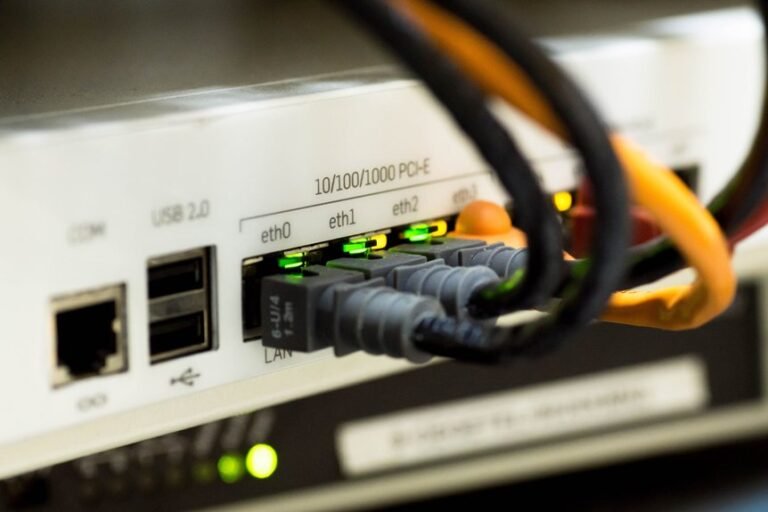
To access the 168.122 router login page, users should connect a device to the router via Ethernet or Wi-Fi and determine the router’s default IP address from the documentation or a label on the device.
The process remains systematic, documenting steps with neutral precision.
Unrelated topic and filler content are acknowledged as placeholders, ensuring the path remains free of extraneous details.
What Are the Default Credentials and First-Login Steps
Default credentials and the first-login procedure are essential for initial device setup. The section outlines standard login defaults, emphasizing verification of manufacturer settings and updating to unique credentials. First login steps include accessing the web interface, entering defaults, and applying a secure password. Wireless security considerations are addressed after access; this topic avoids broader firewall topics and focuses on setup essentials.
Essential Wireless, Firewall, and Security Setup
Essential wireless, firewall, and security setup concentrates on configuring robust wireless protection, enabling a resilient perimeter, and establishing baseline security policies. The focus remains deterministic and scalable: implement strong WPA3, disable WPS, segment networks, and log anomalies. Unrelated topic is avoided in configuration; casual chatter should never influence policy. Documentation emphasizes reproducibility, auditability, and freedom through clear, parsable settings and tests.
Finishing Touches: Firmware Updates, Backups, and Ongoing Maintenance
Finishing touches in router management encompass firmware updates, data backups, and ongoing maintenance to sustain reliability and security.
The section presents a structured routine: schedule, execute, and verify firmware backups and updates; implement versioned backups; document configurations; establish maintenance reminders; monitor release notes; test recoveries; log changes; and confirm access controls remain intact, ensuring freedom from unexpected downtime or breaches.
Frequently Asked Questions
How to Recover a Forgotten Router Admin Password?
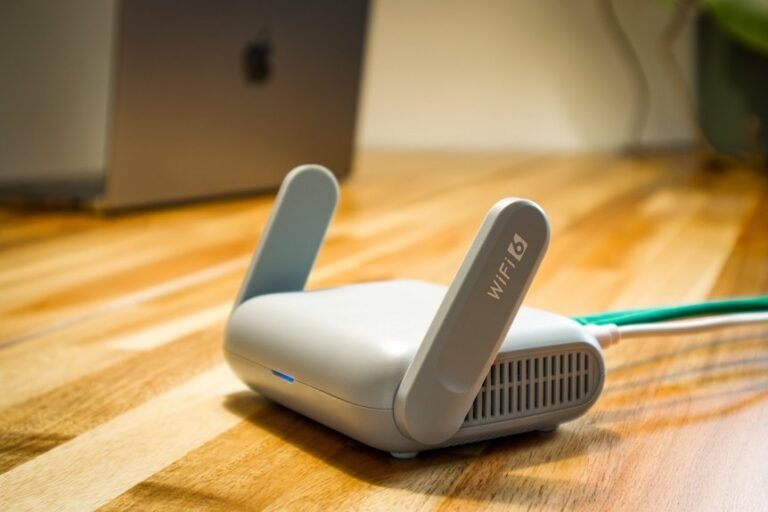
To recover a forgotten admin password, follow forgotten password recovery steps and perform router reset procedures if required; after reset, reconfigure credentials. Maintain guest network isolation during setup, ensuring secure access controls and firmware updates for ongoing protection.
Can I Mirror Settings to a Secondary Router?
Yes, it is possible to mirror router settings to a secondary router, enabling synchronized configurations. This involves duplicating the primary’s secondary router configuration, using standardized profiles, and ensuring firmware compatibility for seamless mirror of router settings.
What Parental Controls Are Available and How to Configure?
Parental controls overview: The system offers fixed content filters, time limits, and device scheduling. Parental control setup steps: access administration, enable controls, define profiles, apply filters, configure schedules, test access, and monitor reports for transparency and freedom.
How to Enable Guest Network Isolation and Limits?
Answer: To enable guest isolation and configure bandwidth limits, access the router’s guest network settings, toggle guest isolation on, and set bandwidth caps per guest SSID, then save changes. This enables restricted access while preserving user autonomy.
How to Diagnose Intermittent Wi-Fi Performance Issues?
Intermittent wi-fi performance issues are diagnosed by monitoring signal quality and throughput, identifying intermittent connections, and analyzing channel interference; experts correlate graphs, logs, and spectral data to isolate interference sources and optimize channel and transmit power settings.
Conclusion
In summary, the 168.122 router login and configuration guide emphasizes disciplined, repeatable steps: access the device, secure it with unique credentials, enable WPA3, disable WPS, segment networks, and maintain auditable logs. Regular firmware updates, versioned backups, and a change log ensure recoverability and ongoing protection. As the saying goes, “Rome wasn’t built in a day”—but with consistent, precise practice, a robust, auditable router security posture can be achieved, day after day.