BySonu
168.254.264 Invalid Router IP Address Guide
This guide examines why 168.254.264 cannot function as a router IP, focusing on the octet value that exceeds 255 and the resulting routing and subnetting failures. It outlines how to verify current router IPs and detect gateway mismatches, then presents clear, step-by-step fixes to establish a valid gateway. Preventive practices emphasize disciplined IP planning and configuration auditing. The discussion stops at a critical point, inviting further scrutiny to ensure a robust, mistake-free network setup.
What Makes 168.254.264 Invalid in IPv4?
The IPv4 address 168.254.264 is invalid because it contains an octet value (264) that exceeds the maximum permissible range of 0–255. This instance demonstrates an invalid subnet issue and classifies the address as a nonrouter ip.
Such misconfigurations disrupt routing, hinder packet forwarding, and reveal practical limits of IP assignment, emphasizing disciplined address validation for freedom within networks.
How to Verify Your Current Router IP and Misconfigurations?
To verify the current router IP and detect misconfigurations, a structured check begins with identifying the device’s gateway address from a connected computer or mobile device, then cross-referencing it with standard network ranges.
The process highlights potential Verify subnet mismatch issues and evaluates LAN security posture, ensuring alignment between gateway, subnet mask, and device expectations for reliable access.
Step-by-Step Fixes to Assign a Valid Gateway Address
A systematic approach to correcting a gateway address begins by confirming the desired IP range for the local network and ensuring the gateway lies within that range.
The steps isolate invalid subnetworks and reject conflicting addresses, then assign a valid gateway.
Awareness of DHCP pitfalls prevents automatic misconfigurations, yielding a stable route and freedom from errant networking constraints.
Preventive Practices: Proper IP Planning and Network Hygiene
Effective IP planning and ongoing network hygiene establish a stable, scalable foundation for a router environment.
Preventive practices emphasize structured address schemas, documented subnetting ranges, and regular auditing.
Avoid invalid subnetting by reserving address blocks, enforcing hierarchical addressing, and validating configurations before deployment.
Proactive DNS misconfigurations assessment reduces resolution errors, supporting reliable routing and future flexibility for a liberated, resilient network ecosystem.
Frequently Asked Questions
Can 168.254.264 Be Used for Private Networks?
The answer: 168.254.264 cannot be used for private networks. It violates reserved ranges and is invalid for routing. In practice, invalid IP blocks harm private routing and network reliability, undermining stability and freedom of choice.
Are There Legal Implications of Using Invalid IPS?
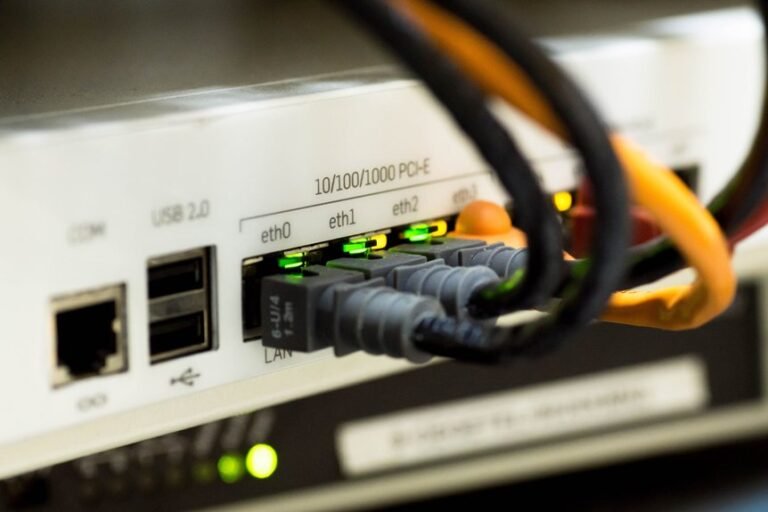
The answer: yes, there can be legal implications of using invalid ips. The imagery depicts tangled wires as risks. invalid ip usage may breach registration, routing or fraud laws; civil or criminal consequences depend on jurisdiction, intent, and harm. ipv6 interaction remains irrelevant here.
Will Changing the Gateway Affect Connected Devices Automatically?
Changing the gateway may disrupt ongoing connections; devices may not instantly reconfigure. In practice, invalid routing can hinder device discovery and require manual reinitialization, as the network adapts slowly to new paths and IP assignments.
How Does IPV6 Interact With an Invalid IPV4 Gateway?
Unrelated IPv6 interactions generally remain unaffected by an invalid IPv4 gateway. The system may isolate IPv6 traffic, causing no automatic routing changes. Unclear gateway effects persist, but IPv6 paths typically rely on distinct routing tables and neighbor discovery.
What Tools Detect IP Address Conflicts Beyond Ping?
IP conflict detection uses ARP inspection, DHCP lease monitoring, and network management tools beyond ping to identify mismatched MACs or duplicate addresses; in Router configuration contexts, these methods ensure accurate addressing, visibility, and proactive conflict resolution.
Conclusion
A precise, prudent conclusion, presented in a detached, third-person voice, with alliteration to paint a picture for readers:
Conclusively, careful, calculated checks characterize commendable cyber-care. Configuration clarity converts chaotic—clearly wrong—cascades into corrected, cohesive connectivity. Systematic, steady strategies safeguard secure subnetting, swiftly spotting stray, suspicious saturation. Prudent planning, periodic audits, and disciplined diagnostics deliver dependable data flow, displaying disciplined detail. By balance, bulk of bandwidth remains benign; by vigilance, vulnerabilities vanish. Strong standards, structured stewardship, secure systems, satisfying success stories.