BySonu
168.3.101 Router Network Setup Guide
The 168.3.101 Router Network Setup Guide presents a precise, methodical approach to configuring a router. It begins with identifying the device’s basics—model, serial, MAC, and default IP—to determine subnets and vendor defaults. The guide then outlines a step-by-step setup, documentation standards, and timed restarts to ensure repeatable results. Security covers robust Wi‑Fi authentication, strong encryption, and guest network isolation. A careful reader may find gaps that invite further scrutiny as issues arise and firmware evolves.
How to Identify Your 168.3.101 Router’s Basics
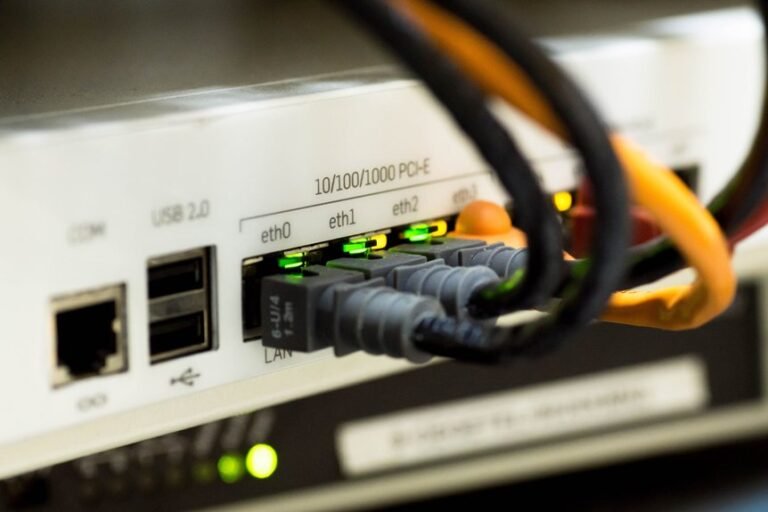
To identify a 168.3.101 router’s basics, begin with the device’s physical and network identifiers: locate the model number, serial number, and MAC address on the label, and verify the default IP address printed there.
This process supports finding subnet configurations and assessing vendor features, guiding informed choices while preserving freedom and clarity in technical evaluation.
Step-by-Step Network Setup for 168.3.101
Beginning with a methodical checklist, the Step-by-Step Network Setup for 168.3.101 guides the reader through grounding the router in a stable network. The procedure emphasizes precise connections, timed restarts, and documented defaults, avoiding unnecessary digressions. It maintains setup humor to ease tension, while noting irrelevant tangents should be discarded, ensuring clarity, reproducibility, and disciplined configuration for freedom-seeking users.
Securing Your Wi‑Fi on 168.3.101: Passwords, Encryption, and Guests
Securing the Wi‑Fi on 168.3.101 centers on robust authentication, strong encryption, and controlled guest access. The approach emphasizes password hygiene, regular updates, and minimized shared credentials.
Encryption employs current standards with unique keys for admin and devices.
Guest network planning isolates visitors, restricts bandwidth, and logs activity while preserving core network freedom and operational integrity.
Troubleshooting Common 168.3.101 Issues and Quick Fixes
Common 168.3.101 issues are approached systematically to minimize downtime and preserve network integrity. This section outlines repeatable diagnostics, prioritized fixes, and verification steps.
Distinguish hardware faults from configuration errors, document findings, and apply targeted solutions.
Loudspeakers troubleshooting is considered when interference to audio networks occurs.
Schedule firmware updates promptly to maintain security, stability, and compatibility across devices.
Frequently Asked Questions
What Is the Default IP for 168.3.101 Access?
The default IP is not specified here. The default gateway typically serves as the access point, guiding packets into the network. For network security, ensure configuration integrity; parenteral not relevant to routing decisions, yet essential for clarity and freedom.
Can I Change the Router’s Admin Username?
Yes, one can Change admin username on the router; access the administration panel, navigate to account settings, and then update credentials. Afterward, Enable guest network remains available, ensuring secure access while preserving network flexibility and control.
Does 168.3.101 Support Mesh Networking?
Yes, 168.3.101 supports mesh networking, and it requires regular firmware updates; it establishes seamless topology, maintains performance, and ensures security. It facilitates expansion, optimizes coverage, and emphasizes disciplined maintenance, while respecting user autonomy and purposeful configuration.
How to Update Firmware Manually on 168.3.101?
Manual firmware updates for 168.3.101 follow a strict update procedure; download official firmware, verify integrity, and apply via the device interface. Firmware safety is prioritized, avoiding unverified sources. The procedure preserves configurations while enabling targeted features for freedom.
Can I Configure Parental Controls on 168.3.101?
Parental controls can be configured, addressing concerns about unrestricted access. The device’s internet access may be restricted by schedules and content filters, enabling precise control while preserving user autonomy. Configuration follows a methodical, authoritative, user-respecting process.
Conclusion
In summary, practitioners should apply the 168.3.101 framework with disciplined rigor, documenting each device detail and configuration change to ensure reproducibility. The method emphasizes foundational identification, orderly setup, and robust security, including strong Wi‑Fi authentication and guest isolation. When issues arise, a systematic diagnostics approach and timely firmware updates are essential. This protocol delivers reliability with the precision of clockwork, and, if followed, yields a network that functions like a fortress—unimaginably secure and steadfast.