BySonu
10.100 Private Network Address Explained
The 10.100.0.0/8 space is a large private address domain suitable for controlled, scalable networks. It allows extensive subnetting, centralized management, and isolated traffic from the public Internet. Compared with smaller private ranges, it increases capacity but demands stricter governance, audits, and documentation. Misconfigurations, duplication, and security gaps loom without disciplined processes. This balance between flexibility and discipline sets a clear agenda for deployment, prompting further examination of practical guidelines and risk mitigation strategies.
What Makes 10.100.0.0/10 Unique Among Private Ranges
The 10.100.0.0/10 address block is a privately usable range designated for network interconnections that require large-scale addressing while remaining non-routable on the public Internet. This configuration provides scalable address space and flexible subnetting, enabling diverse topologies.
10.100.0.0/10 unique, private range advantages support efficient management, segmentation, and experimentation within controlled environments, preserving freedom while preventing public exposure.
How 10.100/10 Differs From 172.16/12 and 192.168/16
How does 10.100/10 differ from 172.16/12 and 192.168/16 in private addressing, and what implications arise for deployment and routing?
Private networking considerations emphasize broader address space and centralized Address mapping strategies, enabling scalable Subnet planning and flexible topology. Differences affect Security design considerations, routing policies, and inter-domain reachability, guiding deliberate use of 10.100/10 over conventional private blocks.
Common Pitfalls and Misconfigurations to Avoid
Even so, misconfigurations in private addressing schemes frequently arise from assumptions about address space, subnet sizing, and routing boundaries, leading to inconsistent reachability and security gaps.
The discussion emphasizes data governance and change management as core controls, ensuring disciplined address allocation, documented transitions, and traceable alterations.
Lapses risk exposure, duplication, and unintended access, underscoring systematic verification and audit-driven operational rigor.
Practical Guidelines for Secure and Effective Deployment
Effective deployment of private networks requires a disciplined, security‑minded approach that translates architectural decisions into verifiable, operational controls. The guidance emphasizes governance, segmentation, and continuous monitoring to uphold integrity and resilience. Two word discussion ideas enable focused dialogue: risk prioritization, policy enforcement, and change management. Practical deployment favors automated configuration, routine audits, and documented baselines, ensuring private networks remain robust, auditable, and adaptable for evolving threat landscapes.
Frequently Asked Questions
Can 10.100.0.0/10 Be Used for Public-Facing Services?
Yes, but not advisable for public-facing services. The 10.0.0.0/8 private range is non-routable on the public internet, limiting reach; privacy concerns and address spoofing risks arise if misused alongside public routing.
How Does NAT Interact With 10.100/10 Internally?
NAT masks internal 10.100/10 traffic, preserving privacy concerns and enabling home network usage; from a formal, analytical stance, it translates private addresses to public predicates, yet internal addressing remains visible only within the network, guiding freedom-minded administration.
Are There Legal Implications to Using 10.100.0.0/10?
Existence of legal considerations surrounds the use of 10.100.0.0/10; potential compliance implications arise from regulatory assignments, vendor policies, and network risk assessments. Legal considerations involve attribution, usage boundaries, and adherence to telco and data protection standards.
What Are Best Practices for Auditing 10.100/10 Usage?
Auditing 10.100/10 usage demands structured governance, continuous monitoring, and documented controls. It emphasizes auditing privacy and network segmentation, ensuring authorized access, data minimization, and regular risk assessments to balance security with organizational freedom and agility.
How Does 10.100/10 Affect VPN Address Allocation?
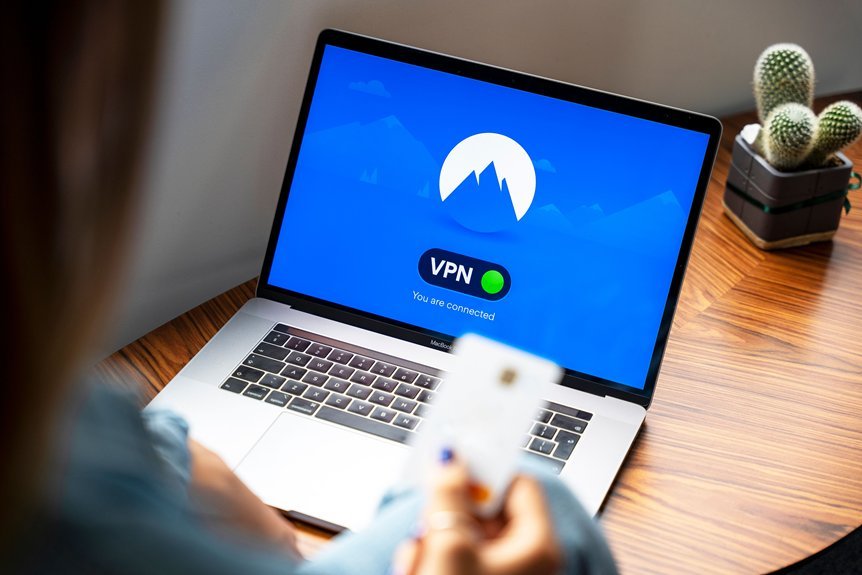
10.100/10 influences VPN address allocation by shaping private network space; allegorically, a cautious custodian assigns doors while privacy considerations weigh every key, yet vendor lock in may constrain choices, challenging freedom and interoperability in scalable deployments.
Conclusion
In a quiet orchestra of networks, the 10.100 private space plays the vast, patient bassline. Like a reservoir carved for scale, it stores countless streams, requiring careful conductors and vigilant scorekeeping. When governance is disciplined, misconfigurations fade into the cadence, audits align with policy, and traffic remains securely contained. Yet without clear documentation and ongoing monitoring, the chorus can falter, duplications resurface, and threats slip through the seams—dimming the harmony of an otherwise robust private domain.