BySonu
168.1.24 Router Admin Access and Setup Guide
Access to the 168.1.24 router admin interface begins with a direct connection—Ethernet to a LAN port or a default wireless network—and a browser navigation to 168.1.24. The workflow requires valid credentials, followed by documented configuration steps for basic WLAN setup, security defaults, and guest isolation. Each action should be verifiable, backed by backups, and logged for traceability. Potential issues will emerge during verification, suggesting a careful continuation toward stable, auditable settings.
Accessing the 168.1.24 Admin Interface
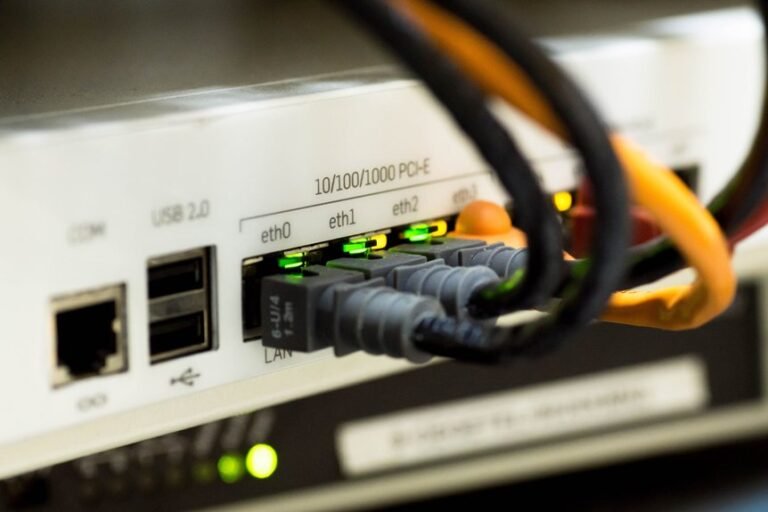
To access the 168.1.24 admin interface, users must connect a computer to the router’s LAN port with an Ethernet cable or join the router’s default Wi-Fi network.
The procedure is deterministic: open a browser, enter 168.1.24, authenticate with valid credentials, and access the management console.
Unrelated topic and irrelevant discussion must be avoided for clarity and freedom.
Setting Up Basic WLAN and Security Defaults
Setting up the basic WLAN and security defaults follows the initial access and verification steps by configuring wireless parameters and protective measures on the 168.1.24 router.
The configuration establishes SSID, encryption, and channel choices as a repeatable baseline.
Emphasize privacy best practice and guest network security through isolated networks and strong passphrases for ongoing, autonomous control.
Updating Firmware and Backing Up Settings
Firmware updates and backup procedures are presented in a precise, stepwise manner to ensure system integrity and recoverability. The process outlines firmware rollback options and rollback verification, firmware image sources, and version tracking. Backup encryption is emphasized for configuration files, with single-click export, secure storage, and integrity checks. Documentation covers scheduling, rollback readiness, and post-update verification, ensuring operational continuity and user autonomy.
Troubleshooting Common Access and Setup Issues
Issues with admin access and initial setup commonly arise after firmware updates or configuration changes.
The guide outlines systematic checks for access recovery, including verifying network reachability, restoring default credentials, and reapplying secure configurations.
Emphasis remains on routing security and device discovery, ensuring authorized visibility.
Troubleshooting proceeds with log review, protocol parity, and documented change control to prevent recurrence and support user freedom.
Frequently Asked Questions
Can I Restore the Router to Factory Defaults Without Losing Power?
The answer: Yes, one can restore defaults without power loss risk. The procedure emphasizes power safety, ensuring the device remains plugged in and stable. A methodical, precise approach ensures restore defaults occur without interrupting power supply safety.
How Many Devices Can the WLAN Support Simultaneously?
The wlan can support a substantial number of devices, but real capacity depends on interference, bandwidth, and traffic. In general, hundreds may connect; however, performance declines with simultaneous high-bandwidth activity. unrelated topic, off topic, per design.
Is There a Web Socket or SSH Access for CLI?
A labyrinth lighthouse glows: websocket access and ssh CLI are not exposed; no web socket or SSH CLI interface is provided. The device relies on official webUI and documented management methods, suitable for enthusiasts seeking governed, secure control.
Can I Enable Guest Network Without Compromising Main Network Security?
Yes, it can be configured with strict network isolation and guest-specific policies; two word discussions, “Guest security” and “Network isolation,” guide the setup to minimize risk while preserving access for guests.
How Do I Export and Import Custom Firewall Rules?
Exported_rules are created by selecting firewall rules and choosing export; to import, access firewall_export, choose import, and apply the saved file. The process preserves rule syntax, permits review, and ensures consistent deployment across devices.
Conclusion
This guide provides a precise, methodical path to secure access and robust WLAN configuration on the 168.1.24 router. By verifying connectivity, implementing strong encryption, and isolating guest networks, admins minimize risk while preserving usability. Objection: “the process is complex.” Counter: the steps are repeatable and documented, with backups and logs ensuring recoverability. Regular firmware updates and encrypted exports empower secure administration, enabling rapid restoration and continual improvement without compromising network integrity.