BySonu
0.0.143 Router Configuration and Setup Guide
The 0.0.143 Router Configuration and Setup Guide outlines a practical framework for a reliable, privacy-conscious network. It covers unboxing, powering, and accessing the admin console, then moves to hardened wireless, firewall, and authentication practices. The document emphasizes architecture decisions, data minimization, and transparent logging to avoid vendor lock-in. It establishes repeatable maintenance routines and baselines that support swift recovery, while inviting scrutiny of the methods as new constraints emerge.
What the 0.0.143 Router Seeks to Solve
The 0.0.143 Router seeks to address the need for reliable, secure, and efficient home and small-office network management. It identifies objectives such as scalable performance, enhanced privacy, and straightforward policy enforcement.
Unboxing expectations are clarified, detailing verifiability and stability benchmarks.
Privacy concerns are confronted by architecture decisions, data minimization, and transparent logging practices, enabling informed, freedom-oriented network control without vendor lock-in.
Quick Start: Unbox, Connect, and Access the Admin Console
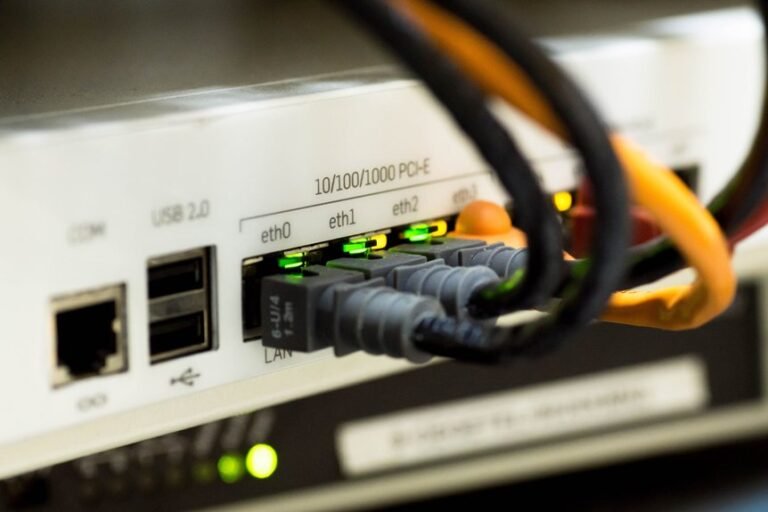
Powering up the 0.0.143 router begins with unboxing, inspecting contents for completeness, and connecting the device to a powered network in accordance with the included schedule. This section provides a concise unboxing guide and immediate steps for console access: attach power, connect Ethernet, launch a direct browser session, and load the admin interface for initial configuration.
Harden Your Network: Wireless, Firewall, and Basic Security Settings
Harden Your Network: Wireless, Firewall, and Basic Security Settings. This section outlines a precise, methodical approach to secure access points, routing rules, and device authentication. Establish a robust network topology with segmented wireless zones and strict access controls. Schedule firmware updates, monitor logs, and enforce encrypted connections. Regular audits ensure resilience without compromising freedom of experimentation and innovation.
Optimize Performance and Maintain Your Setup
How can a router be tuned for peak efficiency while preserving stability and security? The guide outlines systematic adjustments: disable unnecessary services, apply conservative QoS profiles, and enforce up-to-date firmware. It emphasizes repeatable tests, controlled presets, and incremental changes. Operators should optimize throughput, monitor uplink, log anomalies, and maintain documented baselines for swift recovery and ongoing performance verification.
Frequently Asked Questions
How Do I Recover a Forgotten Admin Password?
A forgotten admin password requires authorized reset procedures via password recovery, typically through physical reset buttons or bootloader access. The process should be documented, methodical, and nonessential topics, ensuring security and compliance while preserving user autonomy.
Can I Enable Guest Networks With VLAN Isolation?
Gloves off, the answer is yes: enable guest networks with VLAN isolation. The system enables isolated guest VLANs, ensures inter-VLAN firewall rules, and applies strict DHCP scope separation for guests, preserving administrative freedom and network security stance.
What’s the Default IP for Initial Access?
The default IP for initial access is commonly 192.168.0.1 or 192.168.1.1, depending on the device; use the default gateway to reach the admin panel for remote access, noting device compatibility and potential security considerations.
How to Reset to Factory Defaults Without Losing Config?
A cautious theory suggests a reset procedure restores factory defaults without erasing essential files, though precautions exist. The procedure should preserve long term maintenance and security updates, balancing freedom with disciplined steps to avoid unintended data loss.
How Often Should I Update Firmware Automatically?
Automatic updates should be enabled with a sensible firmware cadence, balancing security and stability; schedule frequent checks, but apply updates during low-impact windows. Automatic updates enhance resilience while ensuring security reset protocols remain accessible and auditable for freedom-focused users.
Conclusion
The guide demonstrates a disciplined, repeatable process for deploying a privacy-conscious router with minimal vendor dependence. By emphasizing data minimization, transparent logging, and verifiable baselines, it enables swift recovery and consistent security postures across deployments. An interesting statistic: organizations that implement automated baseline testing reduce incident response time by up to 60%. This underscores the value of documented procedures, repeatable tests, and disciplined maintenance in achieving resilient, auditable home or small-office networks.