BySonu
168.178.132 Router WiFi Setup and Login Guide
The 168.178.132 router setup guide presents a structured path from initial connection to security hardening. It outlines how to reach the login page, configure a unique SSID, and enforce strong WPA3 security, while restricting admin access and applying basic firewall rules. The procedure emphasizes verification of cables, firmware, and credentials, with a reset only as a last resort. Its practical focus invites users to test each step carefully before proceeding, ensuring a solid baseline before tackling advanced settings.
How to Access the 168.178.132 Router Login Page
To access the 168.178.132 router login page, the user must connect a device to the router’s network via Wi‑Fi or an Ethernet cable and open a web browser. The procedure remains straightforward: enter the IP address, input credentials, and access the management interface.
how to access, router login quick wifi setup, create ssid. The goal is efficient, autonomous configuration.
Quick Wifi Setup: Create SSID and Strong Password
After establishing access to the router login page in the previous step, the next task is to configure the wireless network. The quick setup guides SSID creation, channel selection, and security label assignment, then prompts a strong password. Use a unique network name and a robust passphrase. Document length and complexity match user needs, ensuring quick setup without compromising strong password standards.
Locking Down Security: Encryption, Admin Access, and Firewall Basics
Ensuring robust security begins with selecting appropriate encryption, restricting admin access, and implementing foundational firewall rules.
Locking down the network involves encryption basics, ensuring WPA3 where possible, and disabling outdated protocols.
Admin access should be restricted, with strong, unique credentials and role-based controls.
Firewall basics enforce traffic filtering, intrusion prevention, and bounded port access to minimize exposure and protect connected devices.
Troubleshooting Common Setup Issues and Login Problems
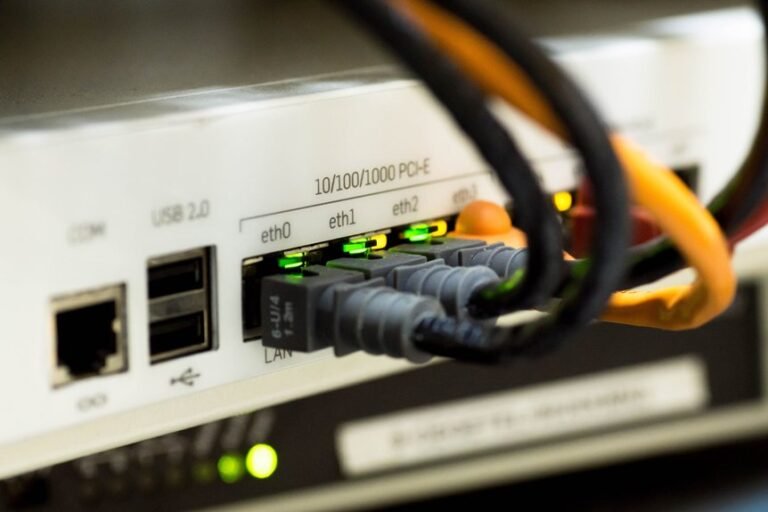
Common setup issues and login problems are addressed by methodically verifying connection basics, firmware status, and configuration integrity. The section outlines systematic problem solving steps, including verifying cable connections, checking LED indicators, and confirming IP access. It emphasizes firmware updates as a corrective measure, along with restore/reinitialize options when settings conflicts arise. Clear documentation aids empowered, freedom-minded users.
Frequently Asked Questions
How Often Should I Update the Router Firmware?
Update cadence depends on device risk and usage; generally quarterly checks are prudent, with immediate firmware updates for critical security patches. Regular monitoring of vendor advisories is advised to ensure timely security patching and ongoing protection.
Can I Set Guest Networks With Separate Passwords?
Yes, a guest network with separate passwords is supported; implement strict password management, update firmware regularly, secure the admin password, enable WPS security cautiously, and maintain backups for restore; ensure network isolation and monitor for unauthorized access.
What to Do if I Forget the Admin Password?
In a dim, humming glow, the user retraces forgotten access; forgot password recovery steps are followed: reset, default credentials, and reconfigure. The reviewer notes router login tips emphasis, documenting safeguards, and ensuring independent, freedom-focused network restoration.
How to Backup and Restore Router Settings?
To backup settings, the process exports configuration data to an external file, then stores it securely. To restore defaults, the device reverts to original factory values. The procedure preserves control, enabling planned changes and freedom in management.
Do I Need to Disable WPS for Security?
Yes, one should disable WPS for security, as it reduces attack vectors; additionally, ensuring regular router firmware updates mitigates emerging vulnerabilities and maintains trusted access. The reviewer notes: disable WPS, router firmware updates, with disciplined configuration.
Conclusion
In the quiet hum of a secured network, setup begins with clear access and correct credentials, a doorway opened to order. Yet, beneath the calm technical veneer, click-by-click rigor reveals potential misconfigurations: weak passwords and open doors remain temptations. Juxtaposing simplicity with vigilance, the scene shifts from easy initial access to disciplined defense—SSID clarity, WPA3 strength, admin restrictions, and basic firewall rules—ensuring reliable connectivity while guarding the frame of the network from intruders.